Understanding Analog vs Digital Microcircuits
12/30/2025
Essential Safety Tips for Microcircuit Repair
12/30/2025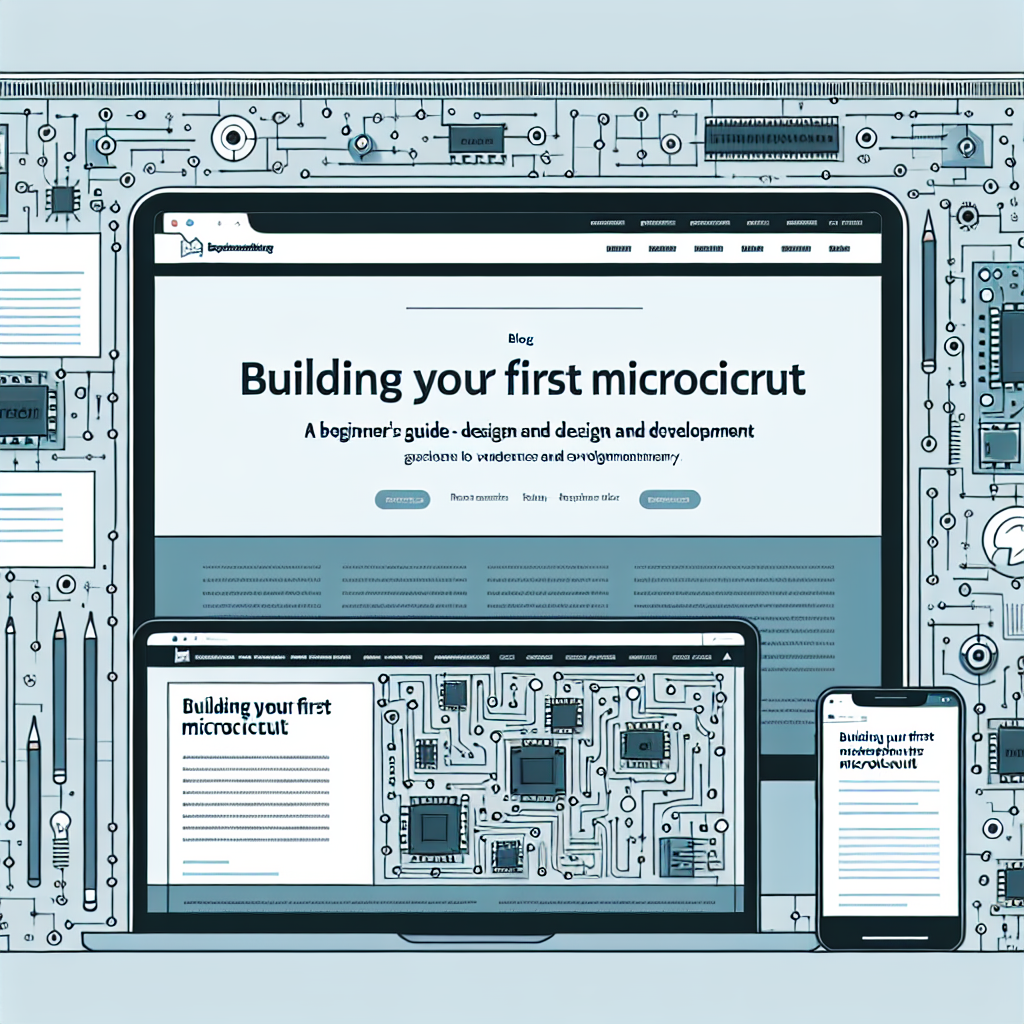
Building Your First Microcircuit: A Beginner’s Guide
Creating your first microcircuit can be an exciting and rewarding endeavor. Whether you’re interested in electronics as a hobby or looking to develop skills for a career in technology, understanding the basics of microcircuit design and development is essential. This guide will walk you through the fundamentals, best practices, and common pitfalls, ensuring you have a solid foundation as you embark on your microcircuit-building journey.
Understanding Microcircuits
Microcircuits, or integrated circuits (ICs), are essential components in modern electronic devices. They contain multiple electronic components, including transistors, resistors, and capacitors, all miniaturized and integrated into a single chip. Learning how to build microcircuits opens up various possibilities in technology, from simple applications to complex systems.
Benefits of Building Microcircuits
- Practical Skills: Gain hands-on experience in electronics and circuit design.
- Problem-Solving: Develop critical thinking skills by troubleshooting and debugging circuits.
- Creativity: Explore innovative ideas and create unique electronic devices.
- Career Opportunities: Enhance your resume with valuable technical skills sought by employers.
- Community: Join a growing community of makers and engineers to share ideas and projects.
Getting Started: Tools and Materials
Before diving into the design process, gather the necessary tools and materials. Here’s a list of essential items to kickstart your microcircuit project:
- Microcontroller: Choose a beginner-friendly microcontroller, such as Arduino or Raspberry Pi.
- Breadboard: A breadboard allows for easy circuit prototyping without soldering.
- Jumper Wires: Use these to connect components on the breadboard.
- Multimeter: This tool helps measure voltage, current, and resistance.
- Power Supply: Ensure you have a suitable power source for your microcontroller.
- Basic Components: Acquire resistors, capacitors, LEDs, and transistors for your circuits.
Designing Your Microcircuit
Once you have your tools and materials, it’s time to start designing your microcircuit. Follow these steps for effective design:
1. Define Your Project
Identify what you want your microcircuit to do. This could be as simple as lighting an LED or more complex, like building a temperature sensor. Clear objectives will guide your design process.
2. Create a Schematic
A schematic serves as a blueprint for your circuit. Use software tools like Fritzing or Eagle to draw the schematic, ensuring all components are correctly represented. This step is crucial for visualizing connections and component placement.
3. Build the Circuit on a Breadboard
Transfer your schematic to a breadboard. Start by inserting the microcontroller and connecting it with jumper wires to the other components according to your schematic. This step allows you to test and modify the circuit easily.
Common Mistakes to Avoid
As a beginner, it’s easy to make mistakes. Here are some common pitfalls to watch for:
- Incorrect Connections: Double-check your wiring against the schematic to avoid shorts or open circuits.
- Power Supply Issues: Ensure your components receive the correct voltage and current to prevent damage.
- Neglecting Component Ratings: Always check the specifications of each component to avoid exceeding limits.
Testing and Troubleshooting
After building your microcircuit, it’s time to test it. Use a multimeter to check voltages and currents. If your circuit doesn’t work as expected, follow these troubleshooting steps:
- Check Connections: Ensure all wires are securely connected and in the correct positions.
- Verify Component Functionality: Test individual components to confirm they are working.
- Review the Schematic: Look for any discrepancies between your schematic and the physical circuit.
Conclusion
Building your first microcircuit is a fulfilling experience that lays the groundwork for further exploration in electronics. By understanding the essentials, gathering the right tools, and following a structured approach to design, you can successfully create functional microcircuits. Remember to learn from any mistakes, and don’t hesitate to seek help from the electronics community. With practice and patience, you’ll find yourself becoming more adept at designing