How to Improve Your Microcircuit Reading Skills
12/30/2025
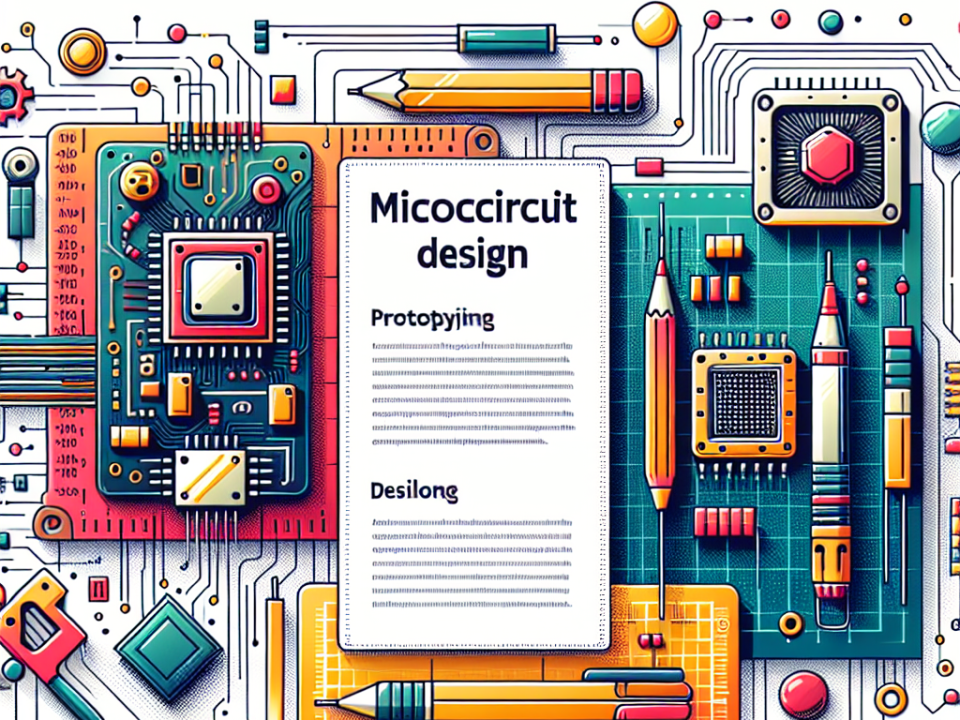
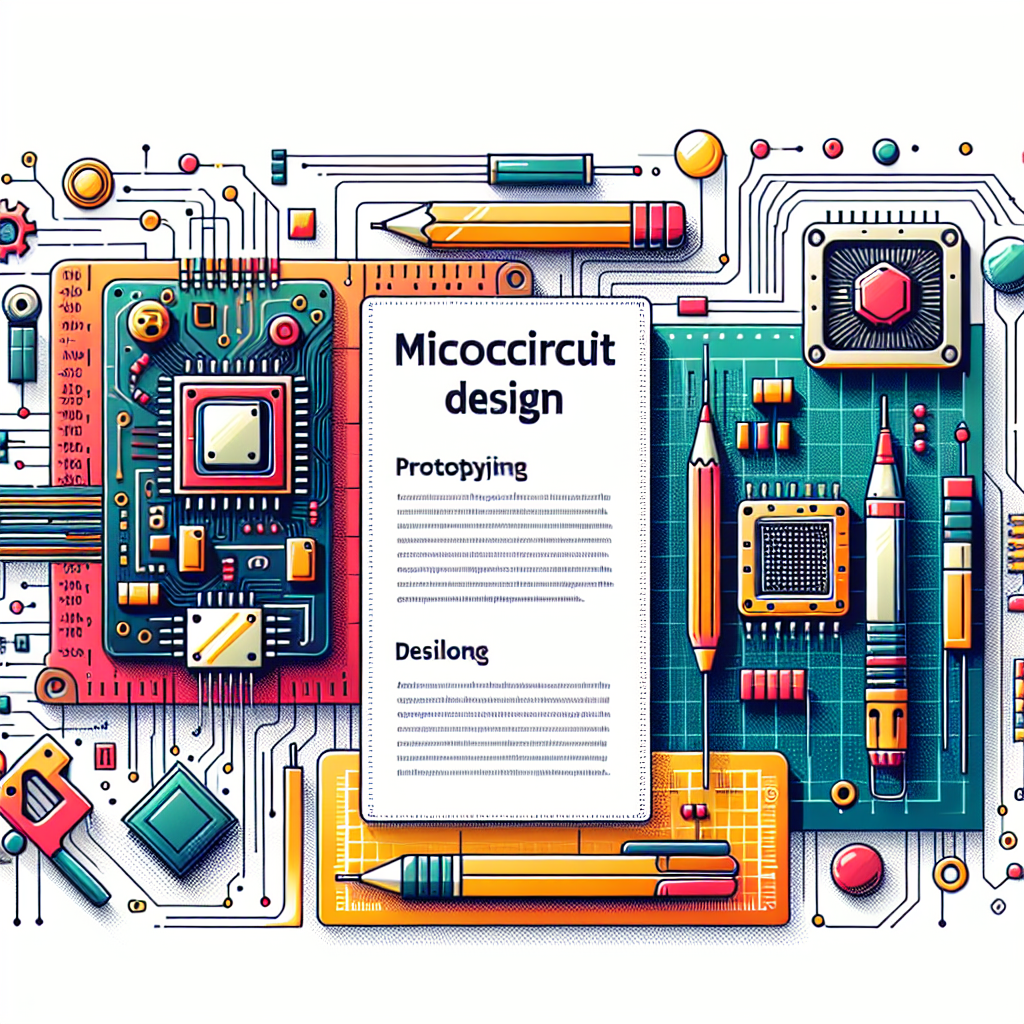
The Role of Prototyping in Microcircuit Design
12/30/2025
Designing Efficient Microcircuits for Low Power Consumption
Introduction
As technology advances, the demand for efficient microcircuits that consume less power continues to grow. Designing these microcircuits requires a deep understanding of both the principles of electrical engineering and the specific requirements of the application. This article will explore practical strategies for creating microcircuits that not only meet performance standards but also minimize power consumption.
Understanding Microcircuits and Power Consumption
Microcircuits are miniaturized versions of electronic circuits that are crucial in various applications, from consumer electronics to industrial devices. Power consumption is a critical factor in microcircuit design, influencing battery life in portable devices and energy efficiency in larger systems.
The Importance of Low Power Design
Low power design is essential for several reasons:
- Extended battery life in portable devices
- Reduced heat generation, leading to enhanced reliability
- Lower operating costs in large-scale applications
- Environmental benefits through reduced energy consumption
Key Strategies for Designing Low Power Microcircuits
When designing microcircuits, several strategies can help reduce power consumption:
1. Optimize Circuit Topology
Choosing the right circuit topology can significantly impact power efficiency. For example, using a parallel configuration may reduce resistance and power loss. Consider these approaches:
- Utilize transistors in saturation mode to minimize power draw.
- Implementing feedback loops can stabilize operations and reduce voltage swings.
- Employ multi-core designs to distribute workloads effectively.
2. Select Appropriate Components
The choice of components directly influences power consumption. Key considerations include:
- Use low-power operational amplifiers and voltage regulators.
- Choose capacitors with low equivalent series resistance (ESR).
- Select microcontrollers that support sleep modes and dynamic power scaling.
3. Utilize Advanced Power Management Techniques
Power management techniques can minimize energy consumption during operation. Effective methods include:
- Implementing clock gating to shut off the clock signal to inactive components.
- Using adaptive voltage scaling to adjust voltage based on performance needs.
- Incorporating power-on reset circuits to ensure components are only powered when necessary.
Common Mistakes to Avoid in Microcircuit Design
Even experienced designers can make mistakes that lead to higher power consumption. Awareness of these pitfalls can help:
- Overlooking the impact of parasitic capacitance and inductance.
- Failing to account for temperature variations that affect power efficiency.
- Neglecting the performance trade-offs when optimizing for low power.
Real-World Examples of Efficient Microcircuit Design
Several industries have successfully implemented low power microcircuits. For instance:
- Wearable health monitors that function efficiently on small batteries.
- Smart home devices that maintain connectivity without excessive energy use.
- IoT sensors that transmit data periodically to conserve power.
Conclusion
Designing efficient microcircuits for low power consumption is a critical skill in today’s technology-driven world. By optimizing circuit topology, selecting appropriate components, and employing advanced power management techniques, designers can create effective solutions that meet modern demands. Avoiding common mistakes further enhances the potential for success. Embracing these practices not only improves device performance but also contributes to sustainability and energy efficiency in electronic designs.