Designing Efficient Microcircuits for Low Power Consumption
12/30/2025
Understanding Microcircuit Specifications and Datasheets
12/30/2025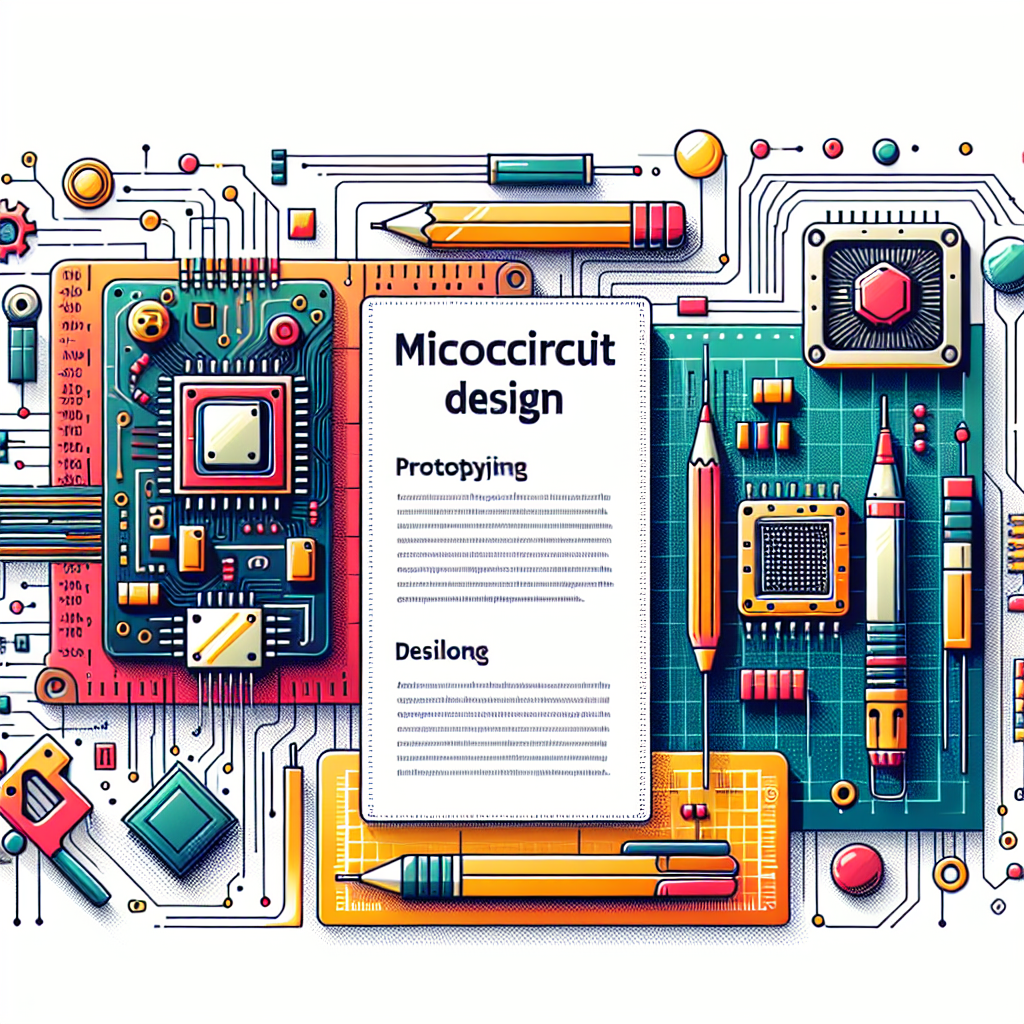
The Role of Prototyping in Microcircuit Design
The Role of Prototyping in Microcircuit Design
Prototyping is a critical phase in microcircuit design that allows engineers and designers to explore, test, and refine their ideas before final production. This process not only enhances the quality and functionality of the microcircuits but also significantly reduces development time and costs. In this article, we will delve into the importance of prototyping, discuss various prototyping methods, and provide actionable insights for creating effective prototypes.
Understanding Prototyping in Microcircuit Design
Prototyping involves creating an early version of a microcircuit to evaluate its design and functionality. This iterative process helps identify potential issues, validate design choices, and refine specifications based on testing feedback. By simulating real-world conditions, designers can ensure their microcircuits perform as intended.
Benefits of Prototyping
- Risk Mitigation: Early identification of design flaws reduces the risk of costly errors in later stages.
- Cost Efficiency: Prototyping helps avoid expensive production mistakes by allowing for design tweaks early on.
- Enhanced Communication: Prototypes provide a tangible representation of ideas, facilitating better communication among team members and stakeholders.
- Faster Development: Rapid prototyping techniques can significantly shorten the development timeline.
- User Feedback: Prototypes allow for user testing and feedback, leading to a more user-friendly final product.
Common Prototyping Methods
There are various methods for prototyping microcircuits, each with its own advantages and suited for different stages of the design process. Here are some popular techniques:
- Breadboarding: This method uses a prototyping board to create a circuit without soldering, making it easy to modify and test different configurations.
- PCB Prototyping: Utilizing printed circuit boards (PCBs) allows for more permanent and reliable prototypes, often used in later design stages.
- 3D Printing: For housing components, 3D printing can produce custom enclosures that suit the design specifications.
- Simulation Software: Tools like SPICE can simulate circuit behavior, enabling designers to make adjustments before physical prototyping.
- FPGA Prototyping: Field-Programmable Gate Arrays (FPGAs) allow designers to implement and test complex circuits quickly.
Best Practices for Effective Prototyping
To maximize the effectiveness of prototyping, consider the following best practices:
- Define Clear Objectives: Establish what you aim to achieve with the prototype, such as testing specific functions or validating design concepts.
- Iterate Frequently: Use feedback from each prototype iteration to refine and improve the design progressively.
- Document Changes: Keep a detailed record of modifications made during the prototyping process to understand the impact of each change.
- Involve Stakeholders: Engage team members and potential users in the prototyping phase to gather diverse insights and feedback.
- Focus on Functionality: Ensure that the prototype effectively demonstrates the core functions of the final product.
Common Mistakes in Prototyping
While prototyping is essential, there are common pitfalls to avoid:
- Skipping the Prototype Phase: Rushing to production without adequate prototyping can lead to unresolved design flaws.
- Overcomplicating Designs: Keeping prototypes simple and focused on key functionalities is crucial for effective testing.
- Ignoring Feedback: Dismissing user feedback from prototypes can result in a product that does not meet user needs.
Conclusion
In summary, prototyping plays a vital role in the design and development of microcircuits. By enabling designers to test ideas, mitigate risks, and gather user feedback, prototyping enhances overall product quality. Employing various prototyping methods and best practices can ensure a smoother transition from concept to production. Remember, the key to successful microcircuit design lies in iterative testing and refinement—allowing innovation to thrive.