Common Mistakes in Microcircuit Repairs and How to Avoid Them
12/30/2025
Top 10 Microcircuit Components You Should Know
12/30/2025
Step-by-Step Microcircuit Reading Techniques for Beginners
Step-by-Step Microcircuit Reading Techniques for Beginners
Understanding microcircuits is crucial for those interested in electronics, be it for repairing devices, designing new circuits, or studying complex systems. This guide aims to equip beginners with essential techniques for reading microcircuits effectively. With practical explanations and real-world examples, you will be better prepared to navigate the intricate world of microelectronics.
What is a Microcircuit?
A microcircuit, often referred to as an integrated circuit (IC), is a set of electronic components that work together within a single unit. These components can include transistors, resistors, capacitors, and diodes. Understanding how to read and interpret these circuits is fundamental for troubleshooting and design.
Essential Tools for Microcircuit Reading
Before diving into reading microcircuits, it’s important to have the right tools. Here’s a list of essential equipment:
- Multimeter
- Oscilloscope
- Soldering iron
- Wire stripper
- Magnifying glass or microscope
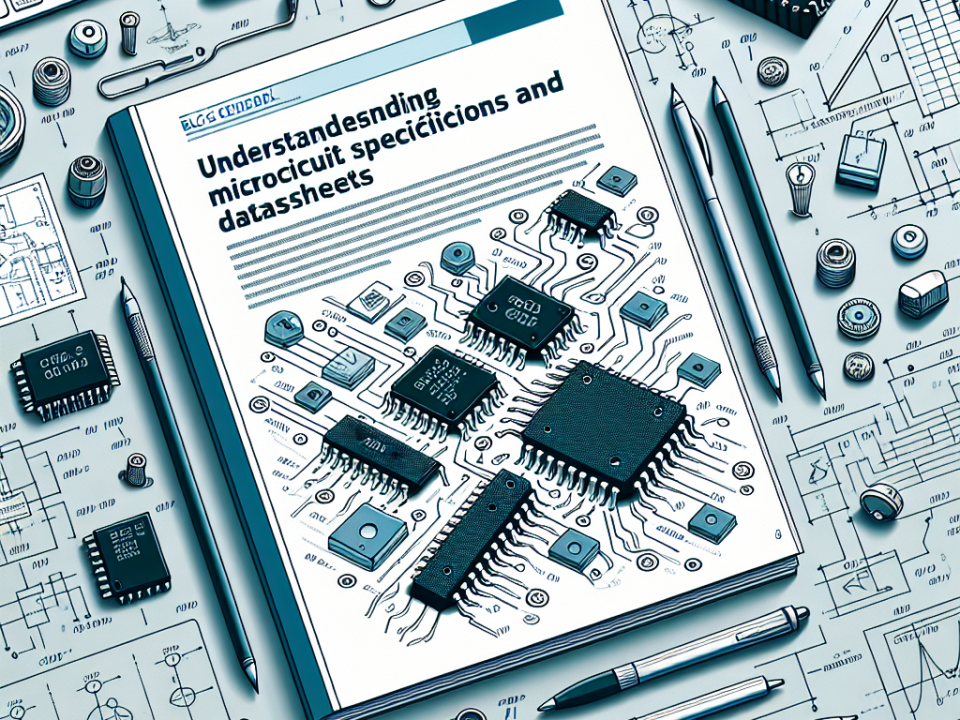
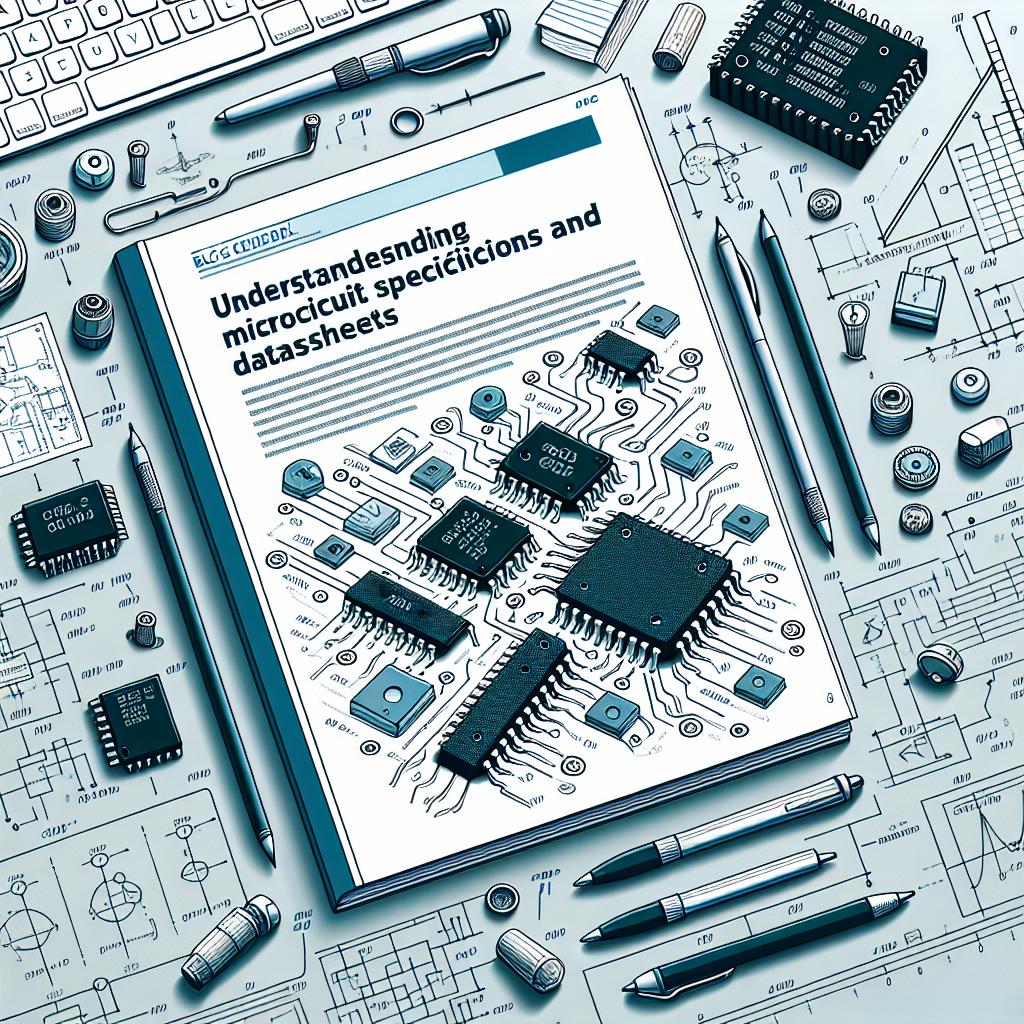
- Data sheets for components
Step 1: Familiarize Yourself with Circuit Diagrams
Understanding circuit diagrams is the first step in reading microcircuits. These diagrams provide a visual representation of the circuit layout.
- Learn common symbols for components such as resistors and capacitors.
- Understand the flow of current and how components connect.
- Practice with simple diagrams before advancing to complex circuits.
Step 2: Identify Key Components
Each microcircuit consists of various components, each serving a specific function. Here are some key components to identify:
- Transistors: Used for amplification and switching.
- Resistors: Control the flow of current.
- Capacitors: Store and release electrical energy.
- Diodes: Allow current to flow in one direction only.
Step 3: Reading the Pin Configuration
Microcircuits typically have multiple pins, each with a defined function. Understanding the pin configuration is essential for proper usage. Always refer to the microcircuit’s data sheet to determine pin functionality.
Step 4: Analyze the Functionality
Each microcircuit serves a specific purpose. Analyze its functionality by following these steps:
- Understand the input and output connections.
- Identify the relationship between components.
- Predict the circuit’s behavior in response to changes.
Common Mistakes to Avoid
As a beginner, it’s easy to make mistakes. Here are some common pitfalls to avoid:
- Not consulting data sheets before starting.
- Overlooking pin configurations.
- Forgetting to double-check connections during assembly.
Benefits of Mastering Microcircuit Reading
Developing the ability to read microcircuits offers numerous advantages:
- Improves troubleshooting skills.
- Enhances design capabilities.
- Increases confidence in working with electronic devices.
Conclusion
Mastering microcircuit reading is a valuable skill for anyone interested in electronics. By using the right tools, familiarizing yourself with circuit diagrams, and learning to identify components, you can effectively read and understand microcircuits. Remember to practice regularly and avoid common mistakes to enhance your knowledge. With dedication and patience, you’ll be well on your way to becoming proficient in microcircuit reading.