Building Your First Microcircuit: A Beginner’s Guide
12/30/2025
How to Improve Your Microcircuit Reading Skills
12/30/2025
Essential Safety Tips for Microcircuit Repair
Introduction
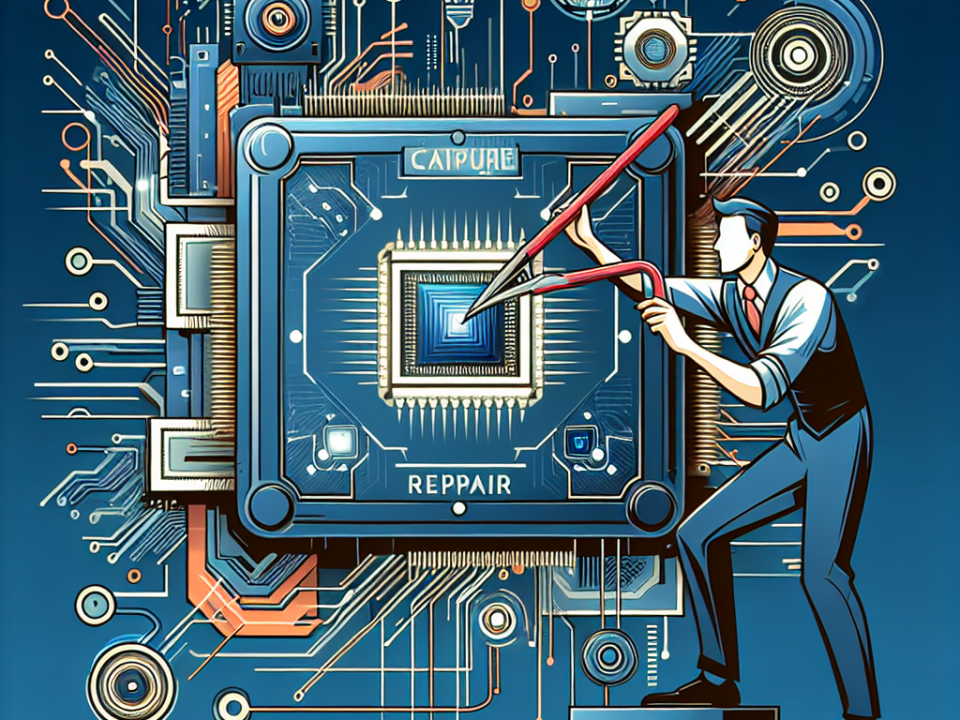
Repairing microcircuits can be a rewarding yet challenging task. With the rapid advancement of technology, understanding the intricacies of microcircuit repair is essential for both hobbyists and professionals. However, safety must always come first to prevent accidents and ensure effective repairs.
This article will provide essential safety tips for microcircuit repair, covering crucial practices to protect you and your workspace while enhancing your efficiency and effectiveness.
Understanding Microcircuit Risks
Before diving into microcircuit repair, it’s important to recognize the potential risks involved. These can include:
- Electrical shock
- Static discharge damage
- Chemical exposure from solder and flux
- Injury from sharp tools
Essential Safety Gear
Equipping yourself with the right safety gear is the first step toward a secure working environment. Here are some recommended items:
- Anti-static wrist strap: Prevents static discharge that can harm sensitive components.
- Safety glasses: Protects your eyes from solder splashes and debris.
- Heat-resistant gloves: Safeguards your hands from hot tools and components.
- Face mask: Reduces inhalation of harmful fumes from soldering.
Workspace Organization
A well-organized workspace contributes significantly to safety. Consider the following tips:
- Keep your area clean and free from clutter.
- Ensure all tools are in good condition and stored properly.
- Use a designated area for repairs to avoid distractions.
- Label components and tools to prevent confusion during repairs.
Proper Handling of Tools
Using the right tools correctly is vital for safe microcircuit repair. Here are some best practices:
- Always use the appropriate tool for the task to reduce the risk of injury.
- Inspect tools regularly for wear and damage.
- Store tools safely when not in use to prevent accidents.
- Handle soldering irons with care, and always place them in a designated holder.
Safe Soldering Practices
Soldering is a common procedure in microcircuit repair. Here are some safety guidelines to follow:
- Work in a well-ventilated area to minimize exposure to fumes.
- Use lead-free solder to reduce health risks.
- Never leave a hot soldering iron unattended.
- Allow soldering tools to cool down before storing them.
Common Mistakes to Avoid
Even experienced technicians can make mistakes. Here are a few common pitfalls to avoid:
- Neglecting to wear safety gear.
- Ignoring the importance of grounding to prevent static damage.
- Using improper techniques when soldering or desoldering components.
- Failing to read manufacturer guidelines for components being repaired.
Conclusion
In conclusion, safety should be your top priority when repairing microcircuits. By being aware of potential risks, using appropriate safety gear, and following best practices, you can significantly reduce the likelihood of accidents and enhance your repair skills. Remember, a well-organized workspace and proper handling of tools are essential for ensuring a productive and safe environment. By adhering to these guidelines, you can enjoy the rewarding process of microcircuit repair while keeping safety at the forefront.