Hello world!
11/12/2019
Beginner’s Guide to Reading Microcircuit Schematics
12/30/2025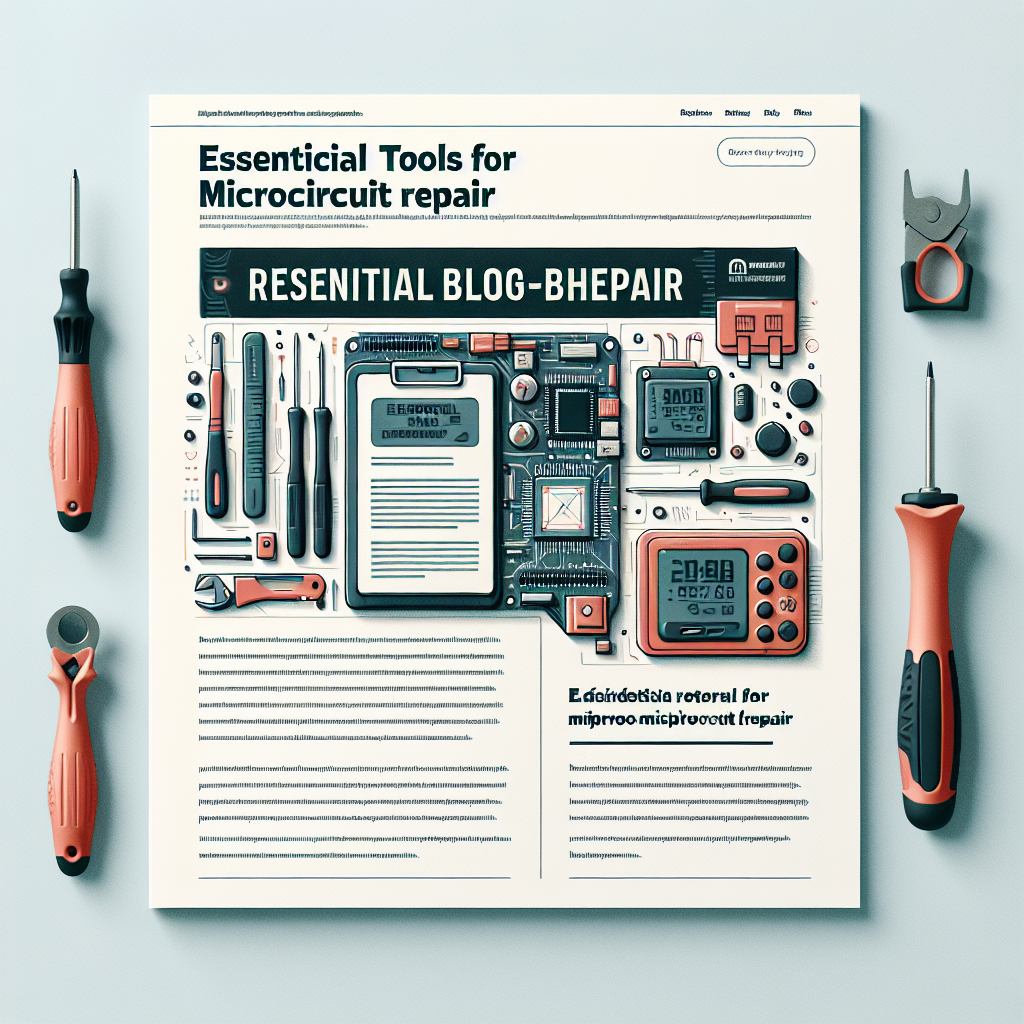
Essential Tools for Microcircuit Repair
Introduction
Microcircuit repair is a vital skill in today’s electronics-driven world. Whether you’re a hobbyist looking to fix a personal device or a professional technician, having the right tools is crucial. This article explores essential tools for microcircuit repair, providing practical insights and tips to enhance your repair skills.
Understanding Microcircuit Repair
Microcircuits, or integrated circuits, are the backbone of modern electronics. They can be found in everything from smartphones to home appliances. Repairing them requires precision and the appropriate tools to ensure successful outcomes.
Why Proper Tools Matter
Using the right tools not only speeds up the repair process but also minimizes the risk of further damage. Here are some common benefits:
- Precision: Specialized tools allow for accurate manipulations.
- Efficiency: Having the right tools reduces time spent troubleshooting.
- Safety: Many tools are designed to protect both the technician and the circuit.
Essential Tools for Microcircuit Repair
Here’s a list of indispensable tools every microcircuit repair technician should have:
- Multimeter: A multimeter is essential for measuring voltage, current, and resistance. Use it to diagnose issues effectively.
- Soldering Iron: A quality soldering iron with adjustable temperature is vital for making connections and repairs.
- Desoldering Pump: This tool helps remove solder from joints, allowing for the replacement of faulty components.
- Tweezers: Precision tweezers are necessary for handling small components without causing damage.
- Magnifying Glass or Microscope: These tools assist in inspecting small circuit boards and identifying problems.
- PCB Holder: A printed circuit board (PCB) holder keeps the board steady while you work on it.
Advanced Tools for Professionals
For technicians who frequently engage in complex repairs, the following tools can enhance your capabilities:
- Hot Air Rework Station: This device allows for the removal and placement of surface-mount devices.
- Oscilloscope: An oscilloscope is useful for analyzing signal integrity and troubleshooting timing issues.
- Function Generator: It aids in testing circuits by generating various electrical signals.
Tips for Effective Microcircuit Repair
Having the right tools is just the beginning. Here are some practical tips to improve your microcircuit repair skills:
- Practice Soldering: Spend time honing your soldering skills on scrap boards before working on critical repairs.
- Document Your Work: Keep notes of the repairs you make, which can help in future troubleshooting.
- Stay Organized: Use labeled storage for components and tools to maintain efficiency.
- Follow Safety Protocols: Always wear safety goggles and work in a well-ventilated area.
Common Mistakes to Avoid
Even seasoned technicians can make mistakes. Be mindful of these common pitfalls:
- Rushing Repairs: Take your time to ensure accuracy and avoid damaging the microcircuit.
- Using Incorrect Tools: Always use the appropriate tools for the job to prevent component damage.
- Neglecting Static Electricity: Use an anti-static wrist strap to protect sensitive components.
Conclusion
Mastering microcircuit repair requires the right tools, skills, and knowledge. By equipping yourself with essential tools such as a multimeter, soldering iron, and precision tweezers, you can significantly enhance your repair capabilities. Remember to practice regularly, stay organized, and avoid common mistakes to ensure successful repairs. With dedication and the correct tools, you’ll be well on your way to becoming proficient in microcircuit repair.