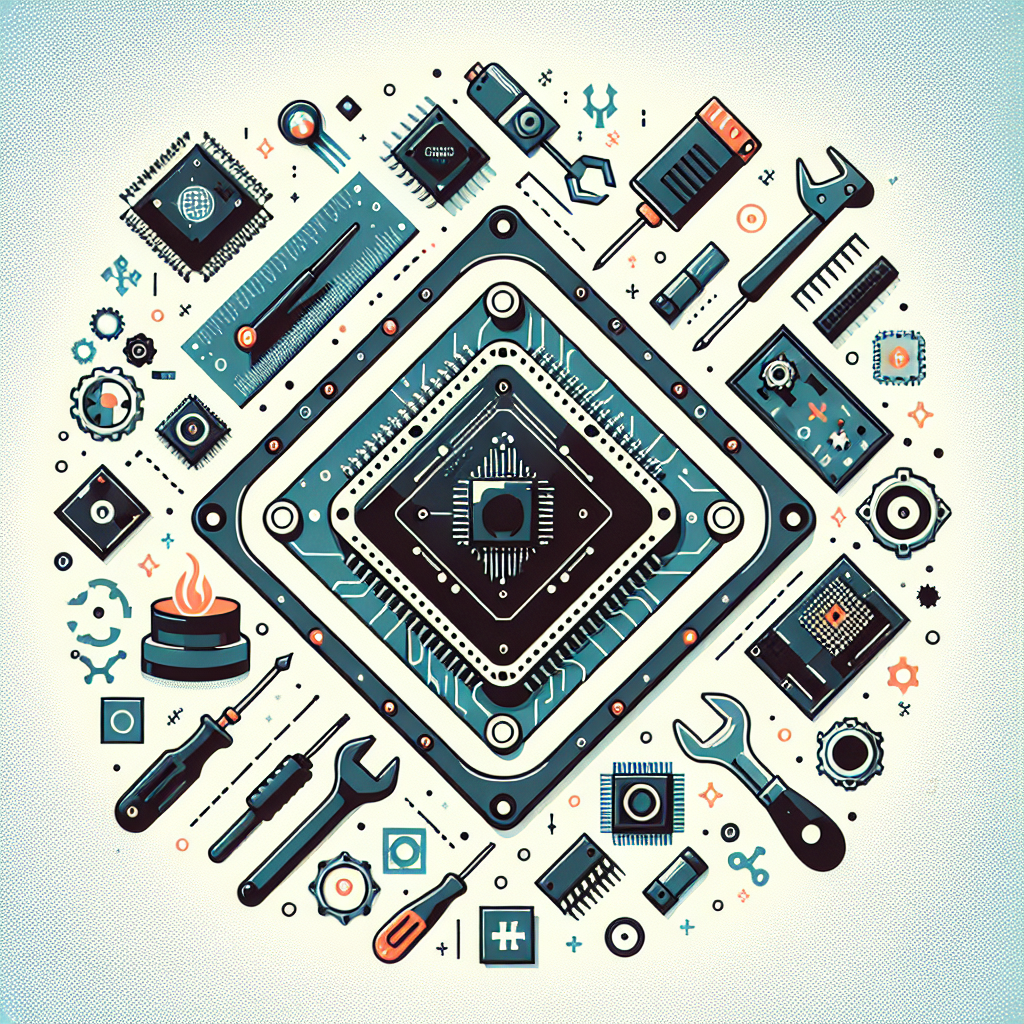
Top 10 Microcircuit Components You Should Know
12/30/2025
Advanced Techniques for Microcircuit Troubleshooting
12/30/2025
Understanding the Basics of Microcircuit Functionality
Introduction to Microcircuits
Microcircuits, also known as integrated circuits (ICs), are essential components in modern electronic devices. They enable a multitude of functions, from simple signal processing to complex computing tasks. Understanding their functionality is crucial for anyone involved in electronics, whether you’re designing, repairing, or learning about them. This article aims to provide a comprehensive overview of microcircuit functionality, breaking down the concepts into digestible sections.
What is a Microcircuit?
A microcircuit is a set of electronic components integrated into a single chip. This integration reduces size and cost while improving performance. Microcircuits can be analog, digital, or a combination of both.
Types of Microcircuits
- Analog Microcircuits: These handle continuous signals and are used in applications like amplifiers and oscillators.
- Digital Microcircuits: These process discrete signals and are foundational to computers and digital devices.
- Mixed-Signal Microcircuits: These combine both analog and digital functionalities, making them versatile for applications like data converters.
Basic Components of Microcircuits
Understanding the basic components of microcircuits is essential for grasping their functionality. Key components include:
- Transistors: Act as switches or amplifiers, controlling electrical signals.
- Resistors: Limit current flow and divide voltages within the circuit.
- Capacitors: Store and release energy, filtering signals and stabilizing voltage levels.
- Diodes: Allow current to flow in one direction, used for rectification and signal modulation.
- Inductors: Store energy in a magnetic field, commonly found in power supplies and filters.
How Microcircuits Function
The functionality of microcircuits depends on the interaction between their components. When powered, the transistors switch on and off, creating a flow of electrical signals that perform specific tasks, such as amplifying a signal or processing data.
Signal Processing in Microcircuits
Microcircuits process signals in two fundamental ways: amplification and conversion. Amplification increases the power of a signal, while conversion changes a signal from one form to another, such as from analog to digital.
Designing Simple Microcircuits
Designing a basic microcircuit involves several steps:
- Define the Requirement: Determine the purpose and specifications of the circuit.
- Select Components: Choose appropriate components based on the design requirements.
- Create a Schematic: Draw a schematic representation of the circuit to visualize connections.
- Simulate the Circuit: Use simulation software to test functionality and troubleshoot potential issues.
- Build a Prototype: Assemble the circuit on a breadboard or PCB for testing.
Common Mistakes in Microcircuit Design
Designing microcircuits can be challenging. Here are some common mistakes to avoid:
- Ignoring component specifications, leading to compatibility issues.
- Neglecting thermal management, which can cause components to fail.
- Overlooking signal integrity, resulting in noise and interference.
- Failing to test the circuit under various conditions before finalization.
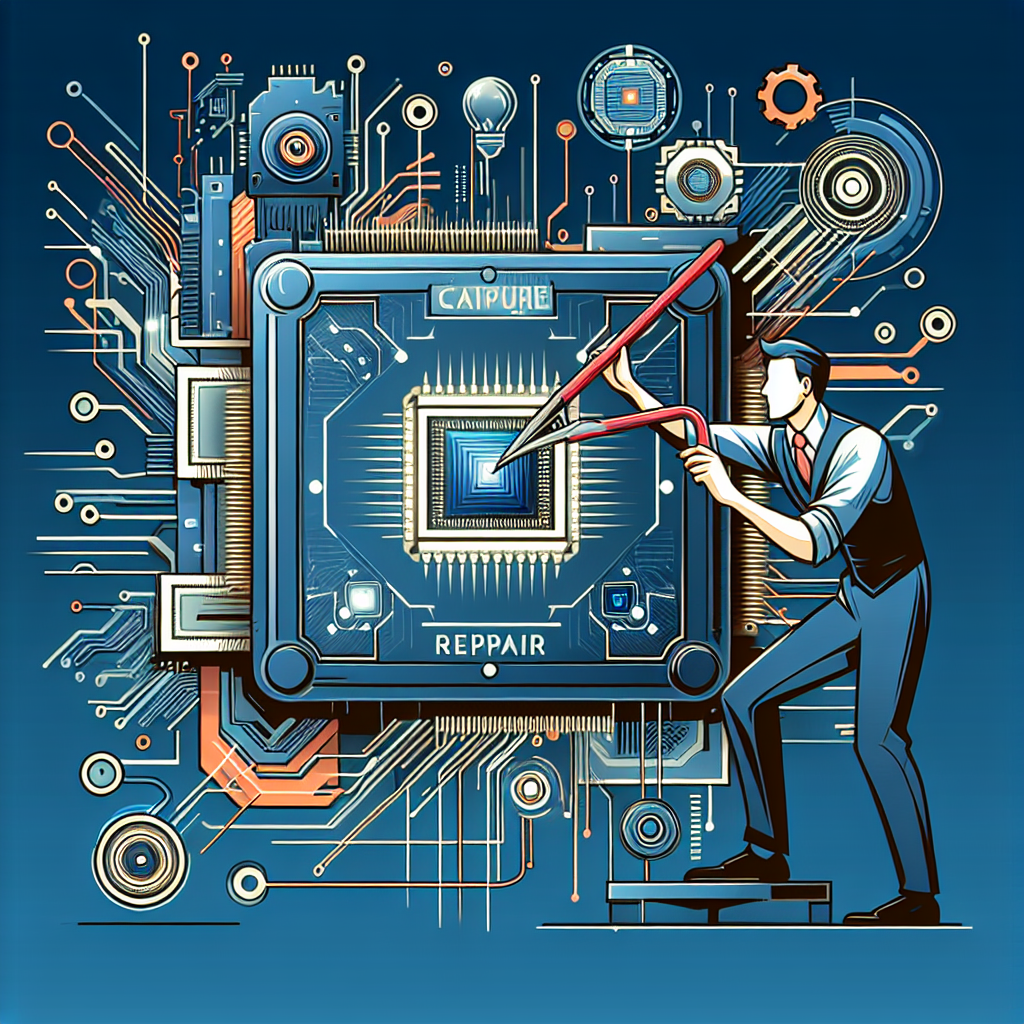
The Importance of Microcircuit Repair Knowledge
A solid understanding of microcircuit functionality not only aids in design but is also vital for repair. Knowing how each component works allows technicians to diagnose failures accurately and implement effective repairs.
Conclusion
In summary, microcircuits are foundational to modern electronics, encompassing various types and components that work together to perform complex functions. Understanding their basics, from design to repair, equips you with the knowledge necessary to succeed in the field. By avoiding common pitfalls and focusing on component interactions, you can enhance your skills in working with microcircuits, whether you are designing new devices or maintaining existing ones.